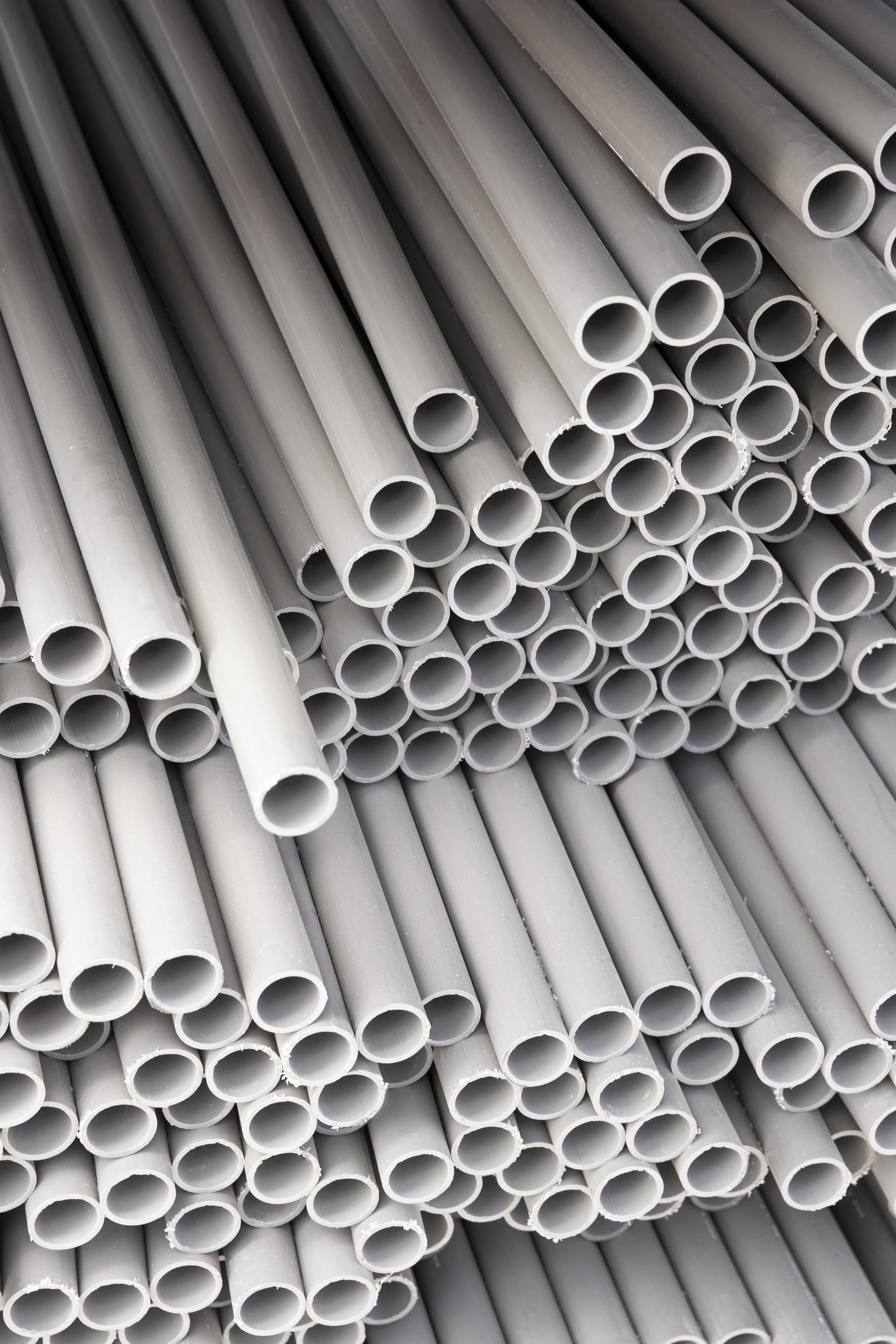
Conduit protects wires from damage and makes future replacement easier. The right type depends on where the run is and the type of building.
PVC conduit
- Pros: light, cheap, rust-free, easy to cut and glue.
- Use: concealed runs in walls, concrete and ceilings in residential buildings — the most common in the Kingdom.
- Note: needs good fixing and UV protection if exposed to direct sun.
EMT metal conduit
- Pros: good mechanical protection, neat look, an extra earth path when installed correctly.
- Use: exposed runs in warehouses, factories, commercial buildings and open ceilings.
- Joining: set-screw or compression couplings and connectors; bent with a dedicated bender.
RGS rigid galvanised conduit
- Pros: the highest protection against impact and harsh conditions; threaded ends.
- Use: outdoor and industrial areas, heavy traffic and impact zones.
- Note: heavier, costlier and needs threading tools.
Flexible conduit
- Use: the final drop to motors, equipment and luminaires, and anywhere with vibration.
- Types: metallic, PVC-coated watertight metallic, and plastic.
Quick comparison
| Type | Protection | Cost | Best for |
|---|---|---|---|
| PVC | Medium | Low | Concealed in walls and concrete |
| EMT | Good | Medium | Exposed indoors |
| RGS | Very high | High | Outdoor and industrial |
| Flexible | Medium | Medium | Equipment and motor connections |
Choosing the diameter
The diameter depends on the number and size of wires. A common rule is to keep wire fill around 40% of the conduit area when there are more than two conductors, for easy pulling and less heat. Homes commonly use 20 mm and 25 mm for final circuits.
Don’t forget the fittings
Bends, couplers, boxes, saddles and solvent cement for PVC; connectors and straps for EMT; lock nuts and bushings for RGS.
Conduit from Mokaiteeb
PVC, EMT, RGS and flexible conduit with every fitting at wholesale prices, shipped from Al-Ahsa to every region of the Kingdom.