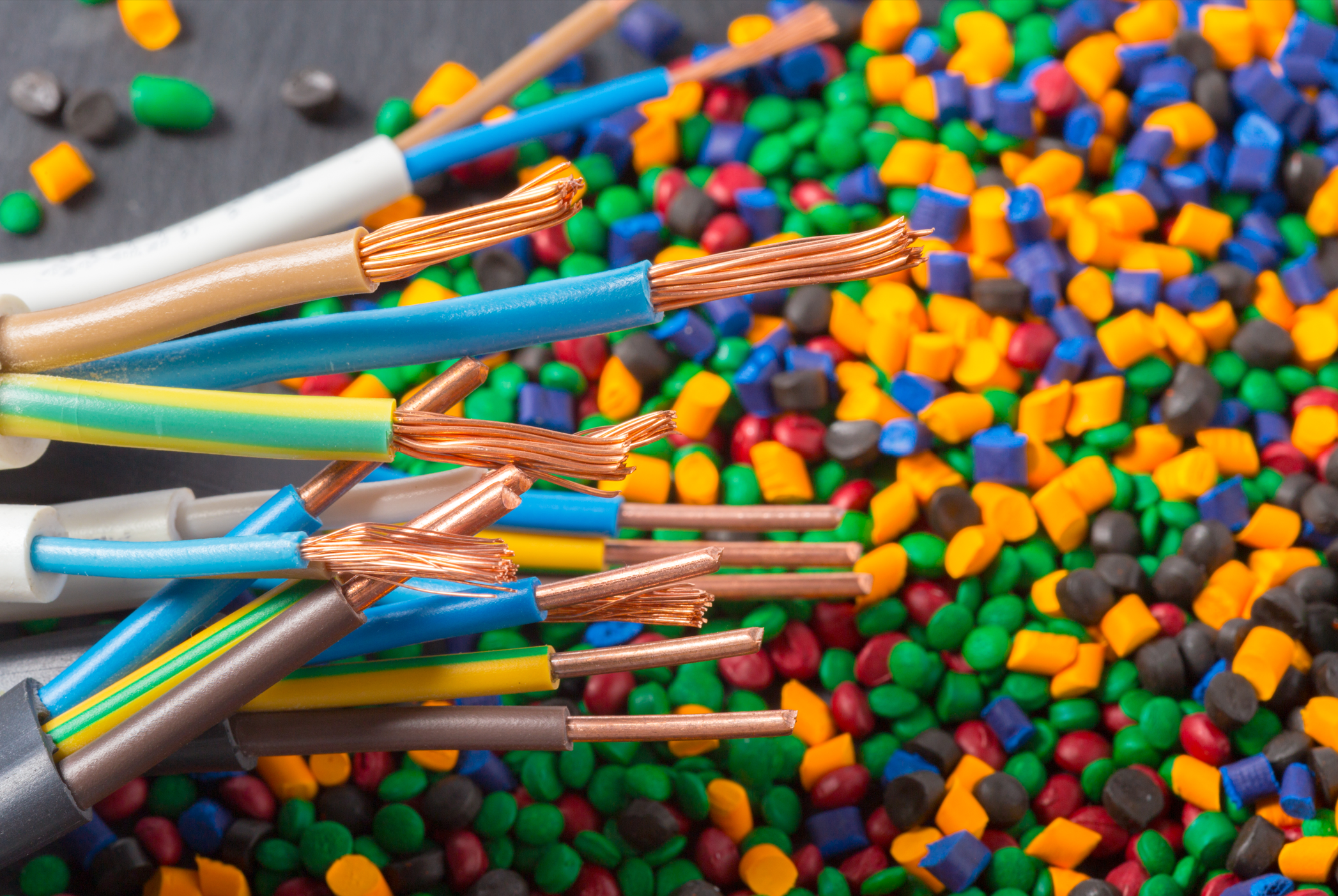
Most cable failures happen not in the middle but at the ends. Correct termination with the right lugs and glands ensures a safe, low-resistance connection and long life.
What is a cable lug?
A metal terminal crimped onto the conductor end so it can be bolted to a breaker, busbar or device.
Choosing a lug
- Cable size (mm²): the lug must match the conductor cross-section exactly (e.g. 16, 25, 35 mm²).
- Stud hole (M): M6, M8, M10 etc. to suit the terminal.
- Conductor material:
- Copper for copper cables.
- Aluminium for aluminium cables.
- Bimetallic (Cu/Al) when an aluminium cable lands on a copper terminal, to avoid galvanic corrosion.
- Type: standard, insulated, or pin type for small terminals.
Crimping correctly
- Use a crimping tool sized for the lug (manual or hydraulic), not pliers.
- Strip the insulation to the right length without cutting strands.
- Cover the joint with heat-shrink for insulation and colour coding.
What is a cable gland?
It secures the cable where it enters a panel or box, prevents pull-out and maintains the dust and water rating.
Gland types
| Type | Use |
|---|---|
| Plastic (nylon) | Unarmoured cables indoors |
| Brass, unarmoured | Industrial environments |
| Brass, armoured | Clamps the armour and bonds it to earth |
| Explosion-proof | Hazardous areas per classification |
Sizing
Choose by the cable’s outer diameter (not cross-section) and thread type (metric such as M20, M25, or PG). Add a shroud for extra protection outdoors.
Complementary items
Insulating tapes, cable markers, cable ties and cable joints.
Cable accessories from Mokaiteeb
Copper, aluminium and bimetallic lugs, glands in every size, heat-shrink and crimping tools — shipped across the Kingdom.